
Can ecosystems recover under a changing wildfire regime in the Greater Blue Mountains World Heritage Area? (with WWF Eyes on Recovery, Blue Mountains City Council, Greater Sydney Local Land Services and National Parks and Wildlife)
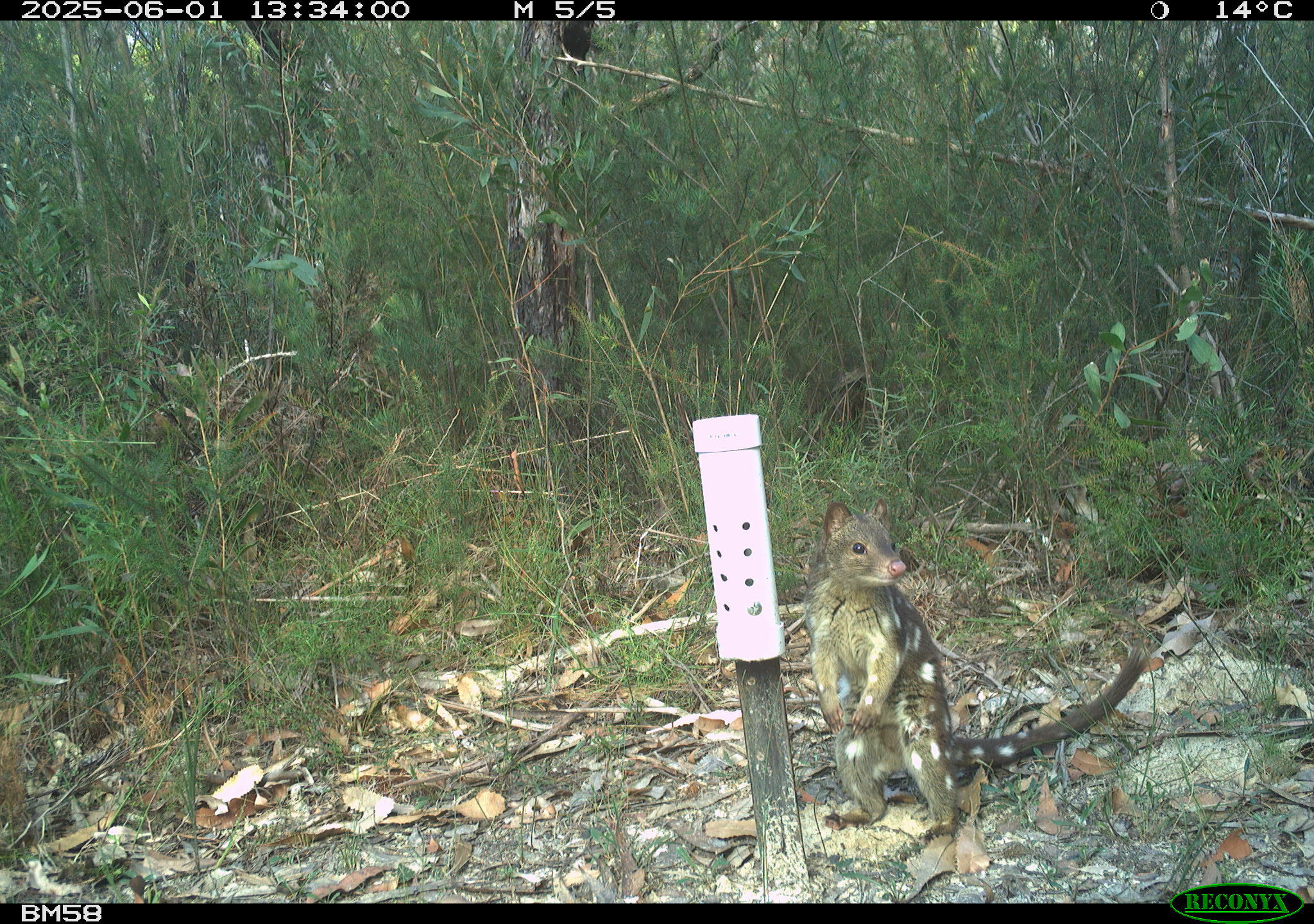
Ecosystems are collapsing. The unprecedented pace of global environmental change in our new geological epoch—the Anthropocene—is coupled with increases in disturbance events, such as extreme wildfires. Australia’s 2019/20 wildfire season was unprecedented, but just how ecosystems respond to dramatic disturbances is highly uncertain. Nor do we understand the complex responses of ecosystems to increases in fire frequency and severity because of climate change. Current ecosystem assessment processes focus on species or habitat loss, but often occur too late to save species of high ecological or conservation value and therefore result in a loss of critical function from the system. To aid post-fire recovery of native species, we must understand the complexity of the interactions among threats from increased fire frequency, severity and introduced predators and how these interactions affect function. This project aims to investigate how the fire severity and frequency affect the trajectory of change in species composition from the 2019/20 mega-fires in the greater Blue Mountains and thus provide new insights into how communities may respond under changing wildfire regimes.
ARC Training Centre for Data Analytics for Resources and Environments (DARE)
The ARC Industrial Transformation Training Centre for Data Analytics for Resources and Environments (DARE) will develop and deliver the data science skills and tools for Australia’s natural resource industries and managers; to be expert users of data and models; to quantify, explain and understand uncertainty; and to make the best possible evidence-based decisions in exploiting and stewarding the nations’ natural resources and environment.
Maximising the resilience of pastures to grazing and extreme drought events (with DroughtNet and Sydney Institute of Agriculture)

This project aims to address the significant knowledge gap of how species composition may change due to extreme drought, and in-turn, quantify the loss of ecosystem function resulting from species turnover. Further, this project will identify species that contribute the most to function.
More information here.
ARC Near-term iterative ecological forecasts of biodiversity change
This project will advance ecosystem forecasting by accounting for how legacy effects from extreme environmental events – prolonged droughts, floods, heatwaves and fires – persist into future years in vulnerable dryland ecosystems. As highly stressed environments are expected to leave increasingly large impacts on flora and fauna and exacerbate desertification, answers are urgently needed to understand and mitigate these impacts. This project will foster new appreciation of ecosystem features that build resilience to change, or that lead to collapse. Benefits include better forecasting tools to manage ecosystems at risk, improved security of biodiversity and food production in Australian rangelands, and training of early career researchers.
The ecology of the kowari in arid South Australia
This project is investigating why the kowari persists in some refuge areas of South Australia but not others, and the role of habitat condition and especially feral predators in restricting their populations.

Download past project summary.
Download past research factsheet..
Help save the kowari. Join Team Kowari here.
International long term ecological research network (iLTER): Simpson Desert, Australia (with the Desert Ecology Research Group at The University of Sydney, Australia)
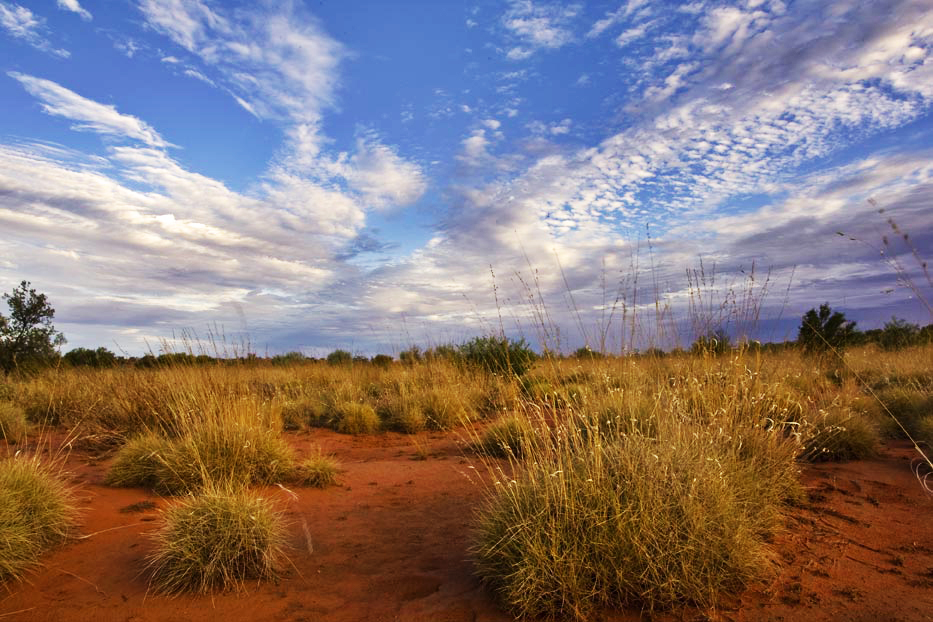
This project aims to quantify inter-relationships between the frequency and intensity of increased climate extremes, wildfire and introduced species and their effects on species dynamics.
Understanding ‘Greenspots’ to Increase Climate Change Resilience and Persistence of Threatened Biodiversity in Arid New South Wales
The Greenspots Project examines the importance of mesic refuge areas (Greenspots) for biodiversity in arid NSW and increases knowledge about threatened species distributions and habitat associations, many of which are data deficient. The Greenspots Project is funded by the NSW Government’s Saving Our Species Program. It is a collaboration between the NSW Department of Planning and Environment and Sydney University with close affiliations with industry partners (e.g. the NSW Biodiversity Conservation Trust and Western Local Land Services).

 Aaron Greenville