Ecosystem Dynamics lab at ESA2025

Come and hear what our group has been up to at the Ecological Society of Australia’s annual conference in Adelaide!

Lucy Gilchrist; Tues 25th Nov; 3:45 – 3:50 PM; Gilbert Suite.

Greenspots in a red landscape: Primary Productivity Driven Refuges for Semi-Arid Vertebrates.

Eleanor Hadfield; Wed 26th Nov; 2:35 – 2:50 PM; Riverbank Room 8.

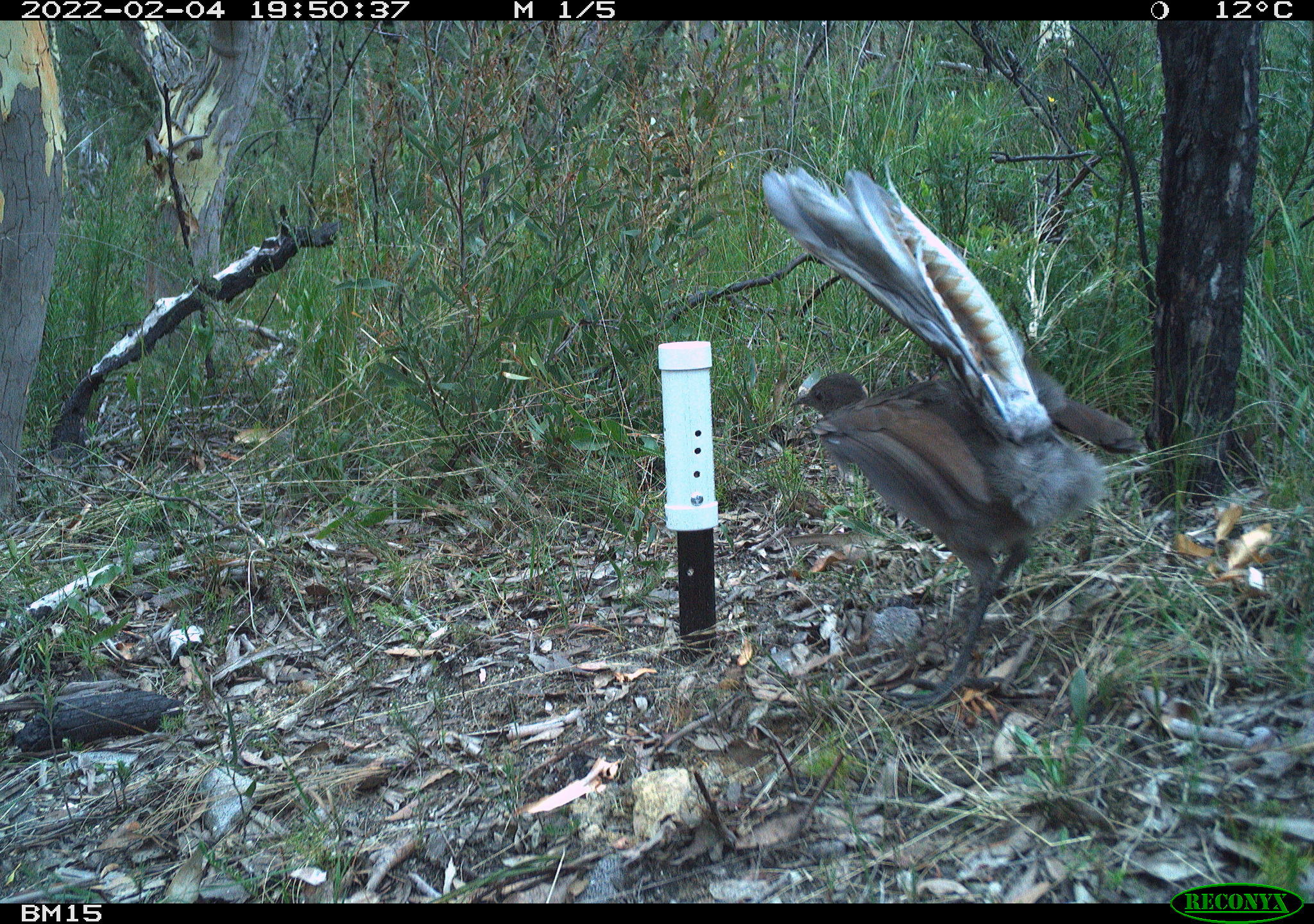
Evaluating BirdNET for post-disturbance monitoring of birds in a Key Biodiversity Area.

Julia Baxter; Wed 26th Nov 2:45 – 2:55 PM; Hall C (Main Plenary).

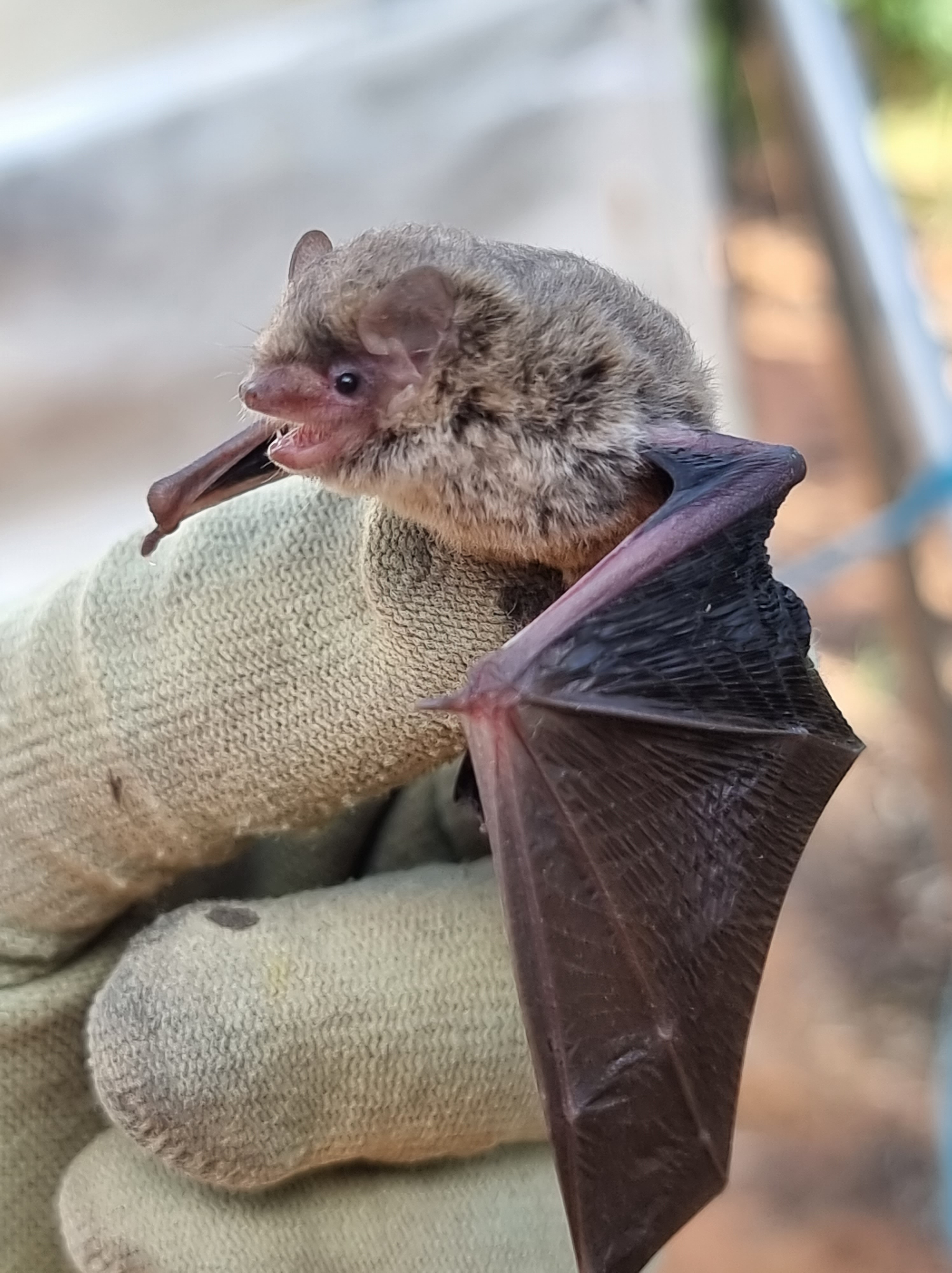
Echoes of Wildfire: Insectivorous bat activity four years post-megafire in response to habitat structure  & prey availability.

Vihanga Gunadasa; Thurs 27th Nov; 10:30 AM- 10:45 PM; Gilbert Suite.

A stepwise data-driven framework for forecasting ecological time series

Emily Simpson; Thurs 27th Nov; 10:30-10:40 AM; Riverbank Room 2

Recovery Trajectories Post-fire Depend on Fire Severity, Soil Moisture and Vegetation Community.

Collaborative work:

Elizabeth Tasker*; Wed, 26 Nov; 3:30 – 5:30 PM; Hall C (Main Plenary)

Impact of the 2019-20 fires on macropods: fire severity and predators matter

*Principal Scientist Fire Ecology; DCCEEW (NSW)

Posted in Conference talks and posters, Conservation, Ecology | Tagged , , , , | Leave a comment

Ecosystems Dynamics lab at ESA2024

We have a great group of people coming to Melbourne for the Ecological Society of Australia annual conference. Check them out:

Lucy Gilchrist; Mon Poster session 17:45-19:45 Ground floor and level 1 foyers

Greenspots on a red landscape: exploring the role of persistent primary productivity as habitat refuge for small vertebrates in an arid environment 

For more on the Greenspot project: Mon 11:00-11:05 rm 111/112: Dr Shaina Russell Department of Climate Change, Energy, the Environment and Water. Understanding ‘greenspots’ to increase climate change resilience and persistence of threatened biodiversity in arid New South Wales.

Article in Landcare in Focus, Nov 2024.

Eleanor Hadfield; Tues 15:45-15:50 rm 103

Ears on Recovery: post-fire responses of birds across different fire severities and historical fire frequencies

Karina Guo; Tues 16:00-16:05 rm 110

A Balancing Act: the use of genetics in restoration to build disease resistant, climate adapted and genetically diverse populations

Vihanga Gunadasa; Tues 16:00-16:05 rm 101/102

Optimizing forecast horizon and model training length for forecasting population abundance

Elise Verhoeven; Tues 16:45-17:00 rm 111/112

Watching the grass grow: how grassland productivity responds to extreme precipitation, nutrient addition and cattle grazing

Hannah Kusch; Tues 17:00:17:05

Grasslands in the Age of Extremes: the impact of rainfall, grazing, and nutrient overload on plant productivity

Prof Glenda Wardle; Tues 17:25-17:30 rm 101/102

Blue sky, green pastures: opportunities on offer through the Oceania Ecological Forecasting Initiative

Emily Simpson; Thurs 13:45-13:50 rm 104

Four Years On: insights from post-fire monitoring in the Blue Mountains World Heritage Area, Australia

Dr Aaron Greenville; Thurs 14:20-14:25 rm 104

Our eyes and ears on the ground: a sensor network for post-disaster species recovery

Posted in Conference talks and posters, Conservation, Ecology | Tagged , , , | Leave a comment

PhD Opportunities: Understanding ‘Greenspots’ to Increase Climate Change Resilience and Persistence of Threatened Biodiversity in Arid New South Wales

Love working in wild and remote Australia?  

Would you like to understand and improve the conservation of threatened arid flora and fauna? 

We are looking for enthusiastic and passionate Ph.D. candidates for the Greenspots Project. The Greenspots Project examines the importance of mesic refuge areas (Greenspots) for biodiversity in arid NSW and increases knowledge about threatened species distributions and habitat associations, many of which are data deficient. The Greenspots Project is funded by the NSW Government’s Saving Our Species Program. It is a collaboration between the NSW Department of Planning and Environment and Sydney University with close affiliations with industry partners (e.g. the NSW Biodiversity Conservation Trust and Western Local Land Services). The project focuses on the arid landscapes of far western NSW where field work will be required.

Candidates will be supervised by Dr Aaron Greenville and Professor Chris Dickman (Sydney University) with additional supervision and/or mentoring by DPE Scientists, Dr Rebecca Montague-Drake, Dr Krystyna Jordan, Dr James Val and Dr Natasha Robinson. While a set level of funding will be provided to cover field expenses, candidates will be expected to secure an RTP Scholarship to cover their personal living costs. Further top-ups/grants may also be sought. Several smaller-scale (primarily desk-top) research projects are also available which are suitable for Honours projects or one-year Masters.

Desired background and skills:

  • Ecology – general knowledge of survey design methods
  • Data analysis using R
  • Willingness to conduct field work in remote areas
  • Driving licence

Opportunities for learning skills on the project:

  • Training in the ecology of mammals and reptiles
  • Working with industry partners in applied ecological research
  • Experience in publishing and communicating the outcomes of research to a variety of audiences
  • Opportunity to develop your own ideas for research

To register your interest or find out more, contact Dr Aaron Greenville. Applications are now open for projects commencing in early 2023. Applications close: 22/02/2023

Download brochure

Post-graduate application information.

Domestic student scholarship RTP information.

International student scholarship information.

Posted in Conservation, Ecology, Projects | Tagged , , , , | Leave a comment

PhD project opportunity: Can ecosystems recover under a changing wildfire regimes?

We are now in an era of rapid global environmental change, which is coupled with increases in extreme disturbance events, such as wildfires. The age of mega-fires has begun, with unprecedented burn extents and fire severity already occurring in Europe, North America and Australia. How species and ecosystems will respond to these events are unknown, which is compounded by the lack of long-term biodiversity monitoring across Australia. We are in urgent need to establish a smart sensor network to be our eyes and ears on the ground to aid in post-fire recovery and future disaster planning for fauna at risk. This project aims to build a smart sensor network that incorporates advances in machine learning to identify species (mammals and birds) and communities at risk of local extinction after the ‘2019/20 Black summer of wildfires’. This study will inform local land managers, who are project stakeholders, of species and communities at risk of local extinction and implement urgent management actions to rescue populations from collapse.

The project has financial support from the WIRES Research Grant Program, WWF, Blue Mountains City Council, Greater Sydney Local Land Services and in-kind support from National Parks and Wildlife.

Your role in the project will be to manage a large array of camera traps, download data at regular intervals and be trained in workflows for data analysis and writing up of results

Desired background and skills:

  • Ecology – general knowledge of survey design methods
  • Data analysis using R
  • Willingness to conduct field work in forest areas
  • Driving license

Opportunities for learning skills on the project:

  • Training in the ecology of mammals and birds
  • Training in using machine learning for processing camera trap images
  • Working with industry partners in applied ecological research
  • Experience in publishing and communicating the outcomes of research to a variety of audiences
  • Opportunity to develop your own ideas for research

Project start either late 2022 or beginning of 2023 for three years.

Please email an expression of interest, including CV to Dr Aaron Greenville, School of Life and Environmental Sciences, University of Sydney.

Posted in Conservation, Ecology | Tagged , , , , | Leave a comment

PhD project opportunity: developing an acoustic sensor network for post-megafire biodiversity recovery

Brief Project Summary: 

We are now in an era of rapid global environmental change, which is coupled with increases in extreme disturbance events, such as wildfires. The age of mega-fires has begun, with unprecedented burn extents and fire severity already occurring in Europe, North America and Australia. How species and ecosystems will respond to these events are unknown, which is compounded by the lack of long-term biodiversity monitoring across Australia. The solution is to take advantage of the informatics revolution. We are in urgent need to establish a smart sensor network to be our eyes and ears on the ground to aid in post-fire recovery and future disaster planning for fauna at risk. This project aims to build a smart sensor network that incorporates advances in new rapid acoustic data processing methods, such as ecoacoustics and machine learning, to identify species (microbats and birds) and communities at risk of local extinction after the ‘2019/20 Black summer of wildfires’. This study will inform local land managers, who are project stakeholders, of species and communities at risk of local extinction and implement urgent management actions to rescue populations from collapse.

The project has financial support from the WIRES Research Grant Program, WWF, Blue Mountains City Council, Greater Sydney Local Land Services and in-kind support from National Parks and Wildlife.

Your role in the project will be to assist with field survey design and choice of sites, deploy ecoacoustic sensors, download data from sensors at regular intervals, be trained in ecoacoustic workflows for data analysis and writing up of results

Desired background and skills:

  • Ecology – general knowledge of survey design methods
  • Data analysis using R
  • Willingness to conduct field work in forest areas
  • Driving licence

Opportunities for learning skills on the project:

  • Training in the ecology of bats and birds
  • Training in ecoacoustic methods including sensor technologies and workflows for analysis of sound files to identify species of birds and bats
  • Working with industry partners in applied ecological research
  • Experience in publishing and communicating the outcomes of research to a variety of audiences
  • Opportunity to develop your own ideas for research

Project start either late 2022 or beginning of 2023 for three years.

Please email an expression of interest, including CV to Dr Aaron Greenville, School of Life and Environmental Sciences, University of Sydney.

Posted in Ecology, Projects | Tagged , , , | Leave a comment

Ecosystem Dynamics lab: Honours Opportunities 2022

Here at the Ecosystem Dynamics lab we are offering the following Honours projects:

DigiFarm: incorporating biodiversity into farming decisions (with the Sydney Institute of Agriculture)

We aim to develop a digitally enabled network which will monitor native flora and fauna to inform sustainable agricultural practices. A unique combination of methods will be used: We will test new methods in camera trapping and acoustic recorders (birds and bats) in quantifying on-farm biodiversity and develop spatial models to identify biodiversity hotspots.

See some of our research featured on ABC Catalyst.


Designing Citizen Science programs for identifying wildlife in remote camera trap images (with Australian Museum)

This project will work closely with DigiVol at the Australian Museum, and the School of Life and Environmental Sciences, University of Sydney. It will determine the level of uncertainty in using Citizen Scientists to identify species in remote camera trap images.

Does the new dingo cluster fencing in QLD lead to increases in land clearing?

Cluster fencing is currently being installed to limit livestock attacks from dingoes, but may also lead to other consequences, such as increases in land clearing within newly fenced areas. This project will use remote sensing and Google Earth Engine to investigate changes in land clearing.

Determining the distribution of sarcoptic mange in wombats

Little is known about the impact of mange on wombats in NSW. This project will start to address this knowledge gap using camera images WildCount fauna monitoring program from NSW National Parks and Wildlife Service and wildlife carer records to determine the presence and severity of mange across NSW.

Posted in Projects | Tagged , , , , , | Leave a comment

ABC Catalyst: The Wildlife Revolution

Last month our some of our research was featured on ABC Catalyst! The episode was about using emerging technology to highlight the importance of wildlife and being used to conserve it.

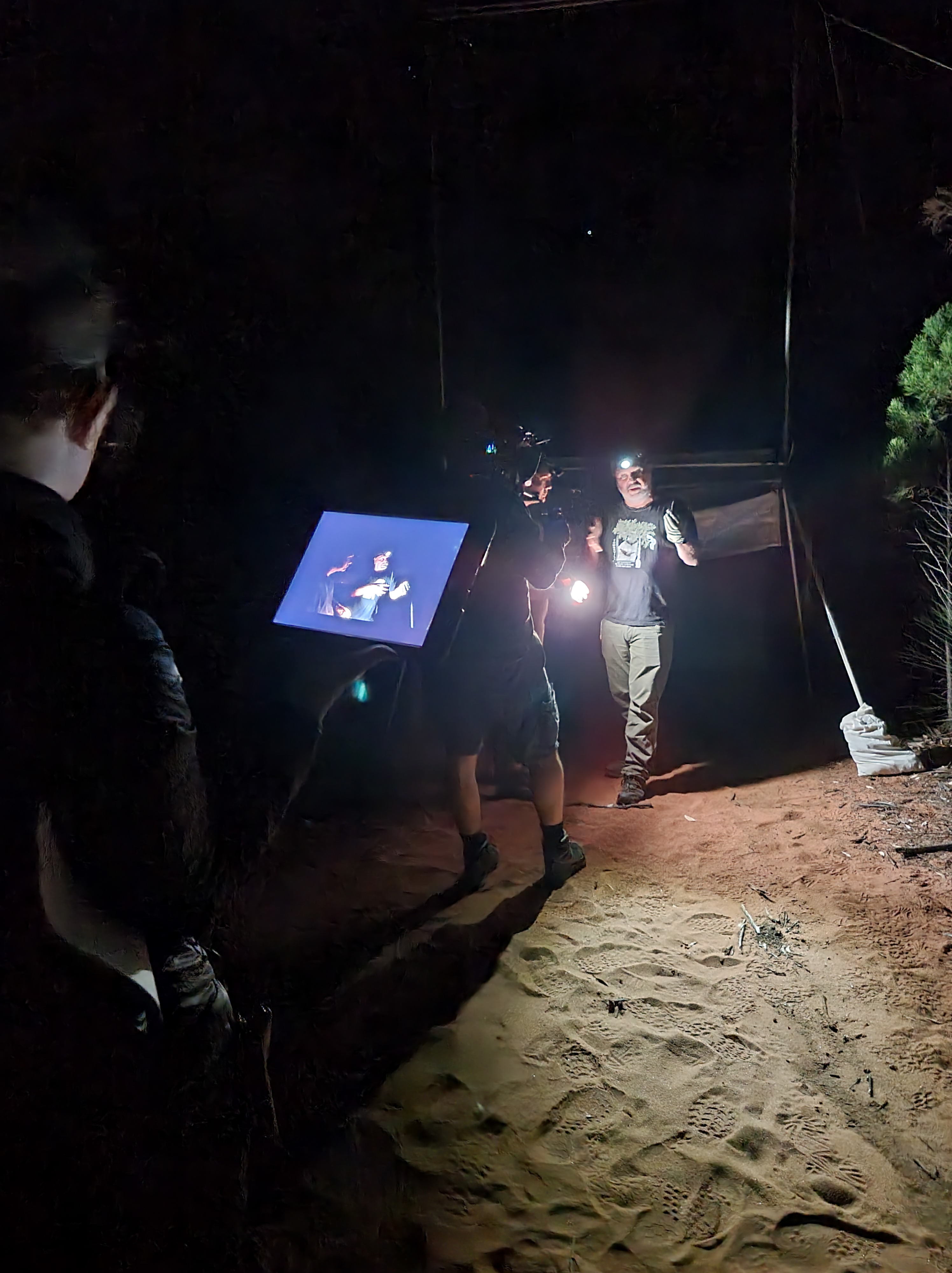
Dr Brad Law from DPI explaining the art of catching bats. Llara, Narrabri, NSW. Photo: Aaron Greenville

Our project DigiFarm that is using technology to survey and monitor wildlife on farmland featured as an example of the importance of microbats on farms.

It was a great experience working with the Catalyst team and I even picked up a few photography and filming tips!

You can see the episode here

Posted in Uncategorized | Tagged , , , | Leave a comment

Ecosystem Dynamics lab: Honours Opportunities 2021

Here at the Ecosystem Dynamics lab we are offering the following Honours projects:

Can machine learning be used to accurately identify wildlife in remote camera trap images in a rapidly changing world?

Machine learning (ML) techniques provide a powerful method to automate image processing. However, due to rapid environmental change, image algorithms may not perform well after major disturbance events. This project will work closely with WildCount, run by NSW National Parks and Wildlife Service to refine ML algorithms for identifying species in camera trap images and test the impacts of the 2019/20 mega-fires on the accuracy of species identification.


DigiFarm: incorporating biodiversity into farming decisions (with the Sydney Institute of Agriculture)

We aim to develop a digitally enabled network which will monitor native flora and fauna to inform sustainable agricultural practices. A unique combination of methods will be used: We will test new methods in camera trapping and acoustic recorders (birds and bats) in quantifying on-farm biodiversity and develop spatial models to identify biodiversity hotspots.


Simpson Desert Insights: designing Citizen Science programs for identifying wildlife in remote camera trap images (with Australian Museum)

This project will work closely with DigiVol at the Australian Museum, and the School of Life and Environmental Sciences, University of Sydney. It will determine the level of uncertainty in using Citizen Scientists to identify species in remote camera trap images.


Agricultural land suitability that includes ecological and cultural values (with Dr Floris Van Ogtrop, Primary, & Dr Ayesha Tulloch, USYD)

Land suitability maps for agricultural production are based on agronomic and climate data. The availability of spatial ecological/cultural data is improving. This project will incorporate these new data sources to create maps that are ecologically and culturally sensitive to assist decision makers.


Using digital technologies to track farmland ecological condition in remote arid Australia (with Dr Ayesha Tulloch, Primary, USYD)

Digital acoustic monitoring is increasingly used in wildlife studies around the globe. Acoustic monitoring devices are a powerful and cost-effective method to survey wildlife due to their ease in deployment and ability to continually monitor populations across time through the use of “soundscapes”. Digital monitoring is particularly important for tracking ecosystem condition in remote, poorly accessible locations, such as much of arid Australia where livestock grazing predominates. Numerous metrics can be derived from ecoacoustic monitoring datasets, including sound diversity (a potential surrogate for wildlife diversity) and sound abundance (a potential indicator for wildlife abundance or activity). However, the recency of these technologies means that there is little scientific evidence for a clear link between acoustic monitoring metrics and the condition of wildlife and landscapes.

Posted in Ecology, Projects | Tagged , , | Leave a comment

New paper: Simultaneously operating threats cannot predict extinction risk

Journal: Conservation Letters

Abstract:

Global threat-extinction risk networks illustrating the top 10 threats to threatened species. Networks illustrate the number of threatened species of (A) mammals, (B) reptiles, (C) birds, (D), amphibians, (E) ray-finned fishes (actinopterygians), and (F) cartilaginous fishes (chondrichthians) on the IUCN Red List that are impacted by each threat. Each node in the network is either an extinction risk category
or threat class, and the size of the node, or length of each section around the circle, represents the number of species within that node. Widths of lines joining each extinction risk category and threat class (node) represent the number of threatened species (links or edges) affected by each threat, within each extinction risk category. NT = near threatened, VU = vulnerable, EN = endangered, CR = critically endangered, EW = extinct in the wild, and EX = extinct.

Species afflicted by multiple threats are thought to face greater extinction risk. However, it is not known whether multiple threats operate antagonistically, additively, or synergistically, or whether they vary across different taxonomic and spatial scales. We addressed these questions by analyzing threats to 10,378 species in six vertebrate classes at global and regional spatial scales using network analysis. The total number of threats was a poor predictor of extinction risk, and particular combinations of threats did not predict extinction risk in the same way at different spatial scales. The exception was cartilaginous fishes, which faced increased extinction risk with increasing numbers of threats. Except for cartilaginous fishes, our findings indicate that species facing more threats than others do not face a higher risk of extinction and suggest that effective conservation will require more investment in identifying how threats and different ecosystem stressors operate together at local scales.

Reference: Greenville A. C., Newsome T. M., Wardle G. M., Dickman C. R., Ripple W. J. & Murray B. R. (2020). Simultaneously operating threats cannot predict extinction risk. Conservation Letters. doi.org/10.1111/conl.12758


Posted in Conservation, Ecology, Publications | Tagged , , , , | Leave a comment

New paper! Class Conflict: Diffuse Competition between Mammalian and Reptilian Predators

Journal: Diversity

Abstract:

The panther skink (Ctenotus pantherinus) from the Simpson Desert, Australia.

A mulgara from the Simpson Desert, Qld, Australia.

(1) Diffuse competition affects per capita rates of population increase among species that exploit similar resources, and thus can be an important structuring force in ecological communities. Diffuse competition has traditionally been studied within taxonomically similar groups, although distantly related intraguild species are likely also to compete to some degree. (2) We assessed diffuse competition between mammalian and reptilian predators at sites in central Australia over 24 years. Specifically, we investigated the effect of dasyurid marsupial abundance on the diet breadth of three groups of lizards (nocturnal dietary generalists, diurnal dietary generalists and dietary specialists). (3) Nocturnal generalist lizards had progressively narrower diets as dasyurid abundance increased. The diet breadth of diurnal generalist lizards was unaffected by overall dasyurid abundance, but was restricted by that of the largest dasyurid species (Dasycercus blythi). Ant- and termite-specialist lizards were unaffected by dasyurid abundance. (4) Diffuse competition, mediated by interference, between dasyurids and nocturnal generalist lizards appears to have strong effects on these lizards, and is the first such between-class interaction to be described. Diffuse interactions may be widespread in natural communities, and merit further investigation among other disparate taxon groups that occur in the same ecological guilds.

Reference: Dickman C. R., Greenville A. C., Wardle G. M. & Bytheway J. P. (2020) Class Conflict: Diffuse Competition between Mammalian and Reptilian Predators. Diversity 12, 355.

Posted in Conservation, Ecology, Publications | Tagged , , , , , , , | Leave a comment