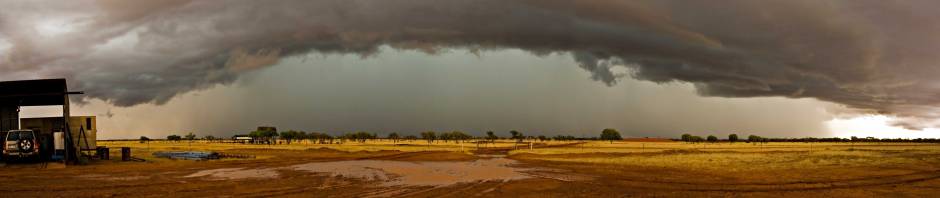
“The dogger and prospector follow the explorer; the survey party follows both and makes record of their findings; and hard upon their heels has been the stockman with his cattle, horses, donkeys, and camels, his sheep and goats and dogs; and the great hosts of the uninvited also – the rabbits, the foxes and the feral cats.
The results of all this are hailed by the statistician and economist as progress, and a net increase in the wealth of the country, but if the devastation which is worked to the flora and fauna could be assessed in terms of the value which future generations will put upon them, it might be found that our wool-clips, and beef and timber trades have been dearly bought”
H.H. Finlayson, The Red Centre, 1935
Our Aim
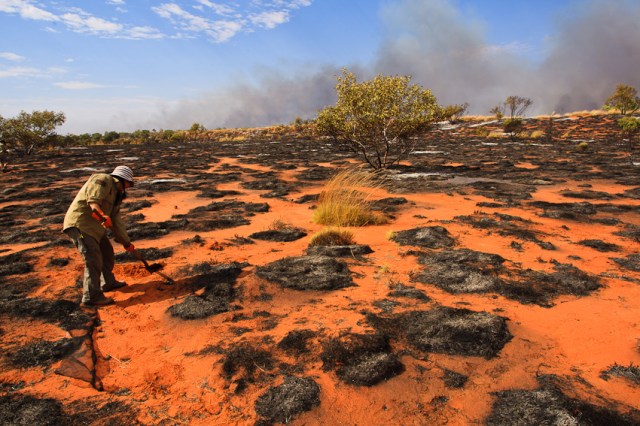
As part of the School of Life and Environmental Sciences, University of Sydney, we aim to understand how ecosystems respond to disturbance events across space and time.
Principal Investigator
Dr Aaron Greenville
Our Research

Our research is organised around three themes:
1. Ecosystem responses to climate change: Climate change is the greatest global issue facing our civilization and the environment on which we depend. Our research aims to address the broad question of how the non-linear responses of species to climate and biotic interactions can be better understood and incorporated into improved analyses of ecosystem dynamics and function. Within this theme we also tackle the question of how altered fire regimes impact on biodiversity, a key challenge facing Australia and now also being recognised globally.
2. Species interactions (competition and predation): Interactions among species are crucial for ecosystem functioning and for maintaining biological diversity. Our research theme aims to uncover the direct and indirect roles of competitive and predatory interactions between species. We are particularly interested in understanding how these interactions are modified by climate over space and time.
3. Technology for ecology and Agricultural sciences: Advances in technology, such as drones, remote camera traps, acoustic recorders and more recently open-source hardware and software have revolutionised data collection for cryptic species and surveys in remote locations. We investigate how scientists can use open-source hardware (e.g. Raspberry Pi and Arduino platforms) and software within their research programs, such as by building remote environmental sensors coupled with advanced analytical techniques. This theme uses the latest innovations in technology from computer science, engineering and electronics to build custom devices with a reproducible workflow.
Projects
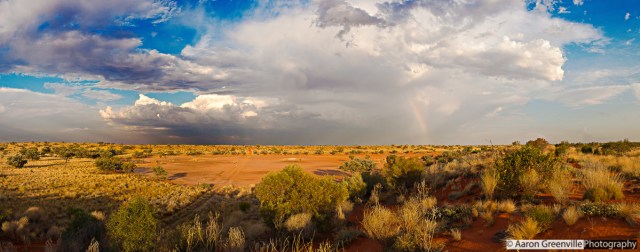
Our projects range from focusing on the population biology of individual species to how ecosystem function changes across space and time.
We study various animal and plant species from arid to agricultural environments, and employ a range of techniques from traditional field ecology and advances in technology.
Read more about our projects and feel free to get into contact about PhD, Masters and Honours projects.
Volunteer opportunities: We are always keen to connect with volunteers and citizen scientists and involve you in our research. If you would like to join us at anytime, then please contact Aaron or one of our group members below.
Our People
2024-present: Eleanor Hadfield – (PhD student; University of Sydney)
Ears on Recovery: Post-Megafire Responses of Birds across different Fire Severities and Historic Fire Frequencies.
2024-present: Emily Simpson – (PhD student; University of Sydney)
The Effect of Changing Fire Regimes on Native Mammals and Their Ecosystems: Is Recovery Possible?
2024-present: Ryan Borrett – (PhD student; Murdoch University)
Soundscape ecology in restoration and conservation on Noongar Country.
2023-present: Lucy Gilchrist – (PhD student; University of Sydney)
Understanding Greenspots to increase climate change resilience and persistence of threatened biodiversity in arid New South Wales.
2024-present: Molly Barlow – (PhD student; University of Adelaide)
Understanding the ongoing decline of a threatened arid mesopredator – the kowari (Dasyuoides byrnei)
2022-present: Ellyssia Watts – (PhD; University of Sydney)
Koalas and wombats are highly charismatic and iconic species, which occupy a wide geographical distribution and high ecological value. Sarcoptic mange has significant health and welfare implications for affected animals. Advancing understanding sarcoptic mange disease dynamics and control in these species is needed to manage the negative affects of this disease on these animals.
Honours students:
2025: Juliet Iraninejad – (Biology Honours; University of Sydney)
When is a zero, a true zero? Maximising the detectability and identification accuracy of mammals in camera trap surveys.
2024-2025: Julia Baxter – (Taronga Honours; University of Sydney)
Echoes of Wildfire: Insectivorous bat activity four years post-megafire in response to habitat structure & prey availability.
Past members
PhD students:
2022-2025: Vihanga Gunadasa – (PhD student; University of Sydney)
Near-term ecological forecasting: A Bayesian framework for modelling spatio-temporal population dynamics in extreme environments. https://hdl.handle.net/2123/34160
Can we forecast nature just as we forecast weather? Even though this was an unanswered question for ecologists back in the past, a new scientific field has now captured their attention; Ecological forecasting. Forecasting the future state of ecological processes has become increasingly important as it allows us to improve environmental decision-making, evaluate management actions and restructure techniques to improve conservation and preservation of the sustainability of the ecosystem. I aim to provide forecasts in a near-term iterative bayesian framework to predict small mammal populations in a highly variable environment.
2020-2025: Elise Verhoeven – (PhD student; University of Sydney)
Maximising the resilience of grasslands to extreme precipitation events, nutrient addition, and grazing. The University of Sydney. URL: https://hdl.handle.net/2123/34023
My project aims understand the interactive effects of extreme drought, nutrient addition and grazing on native and exotic pastures. Drought will be imposed using shelters that passively reduce rainfall to simulate a 1 in 100-year drought in accordance with the international DroughtNet experiment. Phenocams, a novel use of remote camera traps, will be employed to quantify the effect of extreme drought and grazing on vegetation productivity and the timing of key lifecycle events.
2019-2024: Billy La Marca- (PhD student; University of Sydney)
The past, present, and prospects of an arid zone micropredator, the kowari (Dasyuroides byrnei). The University of Sydney. https://hdl.handle.net/2123/33103
I am undertaking a project that will focus on filling key knowledge gaps for the kowari (Dasyuroides byrnei) and how we can best manage its conservation. The kowari is a small marsupial carnivore which is largely restricted to the gibber plains of central Australia. Despite appearing to be at a high risk of extinction over the coming decades, it remains under-studied and under-protected.
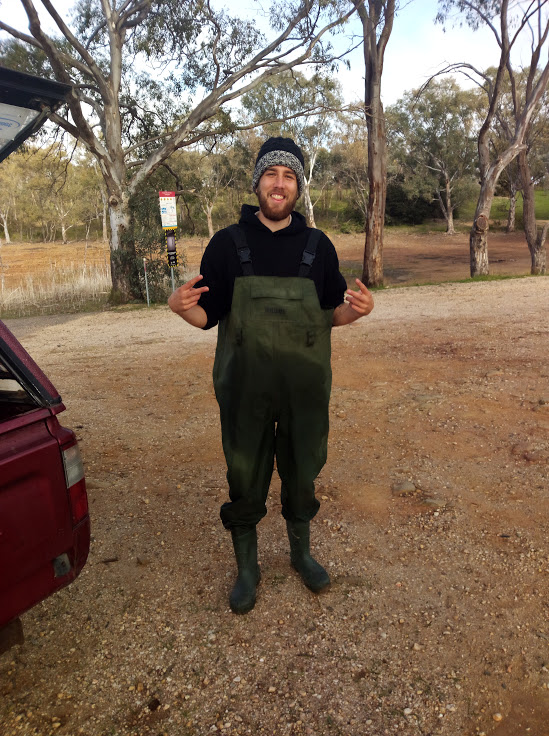
My work will help us to understand the current and historical distributions of the kowari and the reasons for its decline, as well as elucidate several aspects of its ecology. Topics covered will include social organization and habitat associations that allow the persistence of kowari populations in refuge sites; population dynamics and their relationships across spatially distant sub-populations; the relative threats posed by introduced predators and other extrinsic factors; and the diet of the kowari and its potential role as a keystone species.
This project will develop alongside and support work being done by the South Australian Department of Environment and Water, as well as the not-for-profit conservation initiative Arid Recovery. This includes the potential to study multiple translocated populations in different environments and under different selection pressures to understand more about the species and how it navigates the landscape.
To raise the public profile of this unique Australian species, I have worked with these partners alongside environmental philanthropist Jim Phillipson to create a not-for-profit organisation – Team Kowari – dedicated to raising public awareness and funds to support ongoing research initiatives. For more information, visit http://www.teamkowari.com
2021-2023: Stefanie Bonat – (PhD student; University of Sydney)
The ecological effects of animal mass mortalities on an Australian scavenging food web. The University of Sydney. URL: https://hdl.handle.net/2123/31616
Animal mass mortality events (MMEs) are on the rise globally and in Australia, but we know little about the consequences they have on ecosystems from a food web perspective, despite the important implications for land management. Australia has witnessed multiple MMEs recently, including the Menindee fish kills and Black summer bushfires, which resonated with people all around the world.
Culling of wildlife is also a common population management tool in Australia, which results in large numbers of carcasses being left in-situ to rot.
My PhD is therefore addressed the following questions:
- Can our scavenger assemblages consume large carcass loads, and what happens when they are excluded?
- Do carcasses attract invasive or native species, and does scavenger diet change after a MME or culling event?
- How do unconsumed carcasses affect soil nutrients and plant communities in the surrounding area?
2017-2022: Emma Spencer (PhD; University of Sydney)
The web of death: scavenger communities and interactions on carrion in Australian landscapes. The University of Sydney. URL: https://hdl.handle.net/2123/29410
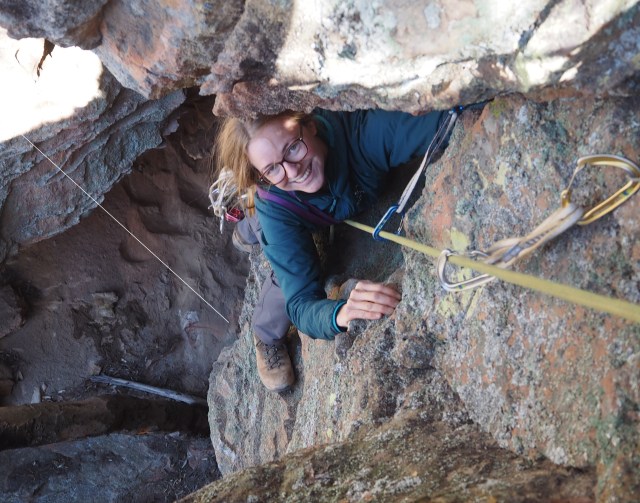
I investigated Australia’s scavenging community and the wider effects of carrion in a range of biomes across the continent. In particular, I am interested in the diversity of life present on and around carrion resources, including both the vertebrate and invertebrate species that make use of this resource, as well as the potential cascading effects of carrion on live prey in the surrounding system. I am also interested in nutrient cycling and the influence of carrion on soil properties and plant growth.
Spanning across a number of locations in NSW and QLD, I will used animal carcasses, motion sensor cameras, invertebrate traps and a series of behavioural experiments to determine the extent to which different scavenger guilds use carrion resources within the landscape, to examine the factors that influence the use of carrion by different scavengers and to explore the indirect effects of carrion on a variety of mammalian and avian species. Concurrent collection of soil and plant samples surrounding carrion resources will also enable me to determine whether nutrient-rich carcasses enhance soils and contribute to plant growth. Together, my observations will contribute to greater understanding of Australia’s scavenger community and the myriad of effects that carrion can have on the surrounding environment.
Honours students
2023-2024: Tracey (Zuting) Teng – (Biology Honours; University of Sydney)
Role of habitat and farm management in structuring mammal and bird distribution.
2024: Alicia Carruthers – (Taronga Honours; University of Sydney)
Assessing invasive predator response to post-megafire in the Blue Mountains
2024: Hannah Kusch – (Biology Honours; University of Sydney)
Droughtnet: Response of pasture plant communities to extreme precipitation changes, nutrients, and grazing.
2023: Eleanor Hadfield – (Biology Honours; University of Sydney)
Ears on Recovery: Assessing the Post-Megafire Response of Avifauna in the Greater Blue Mountains World Heritage Area through Passive Acoustic Monitoring and Ecoacoustics.
2023: Cassie Harvey – (Taronga Honours; University of Sydney)
Microbat species and assemblage responses to fire frequency and severity three years after megafire.
2023: Emma Barlow – (Taronga Honours; University of Sydney)
Three years on: post-fire recovery of vertebrates after megafire in the Greater Blue Mountains World Heritage Area.
2023: Holly Bowden – (Taronga Honours; University of Sydney)
Mammal species and assemblage responses to fire frequency and severity after megafire.
2022: Glenyse Villanueva – (AVBS Honours; University of Sydney)
Use of ecoacoustic technology to assess the impact of farm activity on biodiversity
2022: Ryan McCluskey – (AVBS Honours; University of Sydney)
Monitoring and treating sarcoptic mange in bare-nosed wombats (Vombatus ursinus) utilising thermal imaging drones, deer stands and transparent burrow flaps
2022: Isabella Guerrieri – (Taronga Honours; University of Sydney)
Determining the distribution and severity of sarcoptic mange in bare-nosed wombats (Vombatus ursinus) across New South Wales using Rehabilitator Call-outs.
2022: Pascale Pinn – (Taronga Honours; University of Sydney)
Assessing post-megafire recovery of flora and fauna in the Blue Mountains.
2022: Elsa Kohane – (BIOL Honours; University of Sydney)
Bush to buildings to boxes: Evaluating bat roost usage across human modified landscapes
2021: Giselle Dreyer – (AVBS Honours; University of Sydney)
Arid Grazing Insights: Using digital technologies to track farmland ecological condition in remote arid Australia.
2021: Stella Noll – (AVBS Honours; University of Sydney)
Determining the distribution of sarcoptic mange in wombats using camera images.
2021: Simran Rai – (AVBS Honours; University of Sydney)
Simpson Desert and WildCount insights: determining whether the species diversity within an ecological community influences accurate identification of species from camera trap images
2020: Perrie Carrett – (AVBS Honours; University of Sydney)
DigiFarm: Incorporating technology to survey on-farm biodiversity in north-central New South Wales
2020: Sarah Richter – (AVBS Honours; University of Sydney)
Simpson Desert Insights: Designing Citizen Science programs for identifying wildlife in remote camera trap images.
2020: Keeley Dart – (Honours ; Bachelor of Science in Agriculture)
Mapping the distribution of the non-native African Carder Bee ‘Pseudoanthidium (Immanthidium) repetitum’ (Hymenoptera: Megachilidae) using Citizen Science.
2020: Meg Brown – (Honours ; Bachelor of Science in Agriculture)
The influence of biotic community dynamics on machine learning functionality.
2019: Elise Verhoeven – (Honours; University of Technology Sydney)
Identifying vegetation of high conservation value for restoring ecosystem function after wildfire.
My project aimed to determine how ecosystem function changes after a recent wildfire event within the Greater Blue Mountains World Heritage Area and also partition each source of change from wildfire—species loss, gain and change in resident species dynamics—to ecosystem function.
2017: Tamara Potter (Honours; University of Sydney)
Who Killed the Wolf Spider? A Who-dunnart Intraguild predation among taxonomically disparate micro-carnivores.
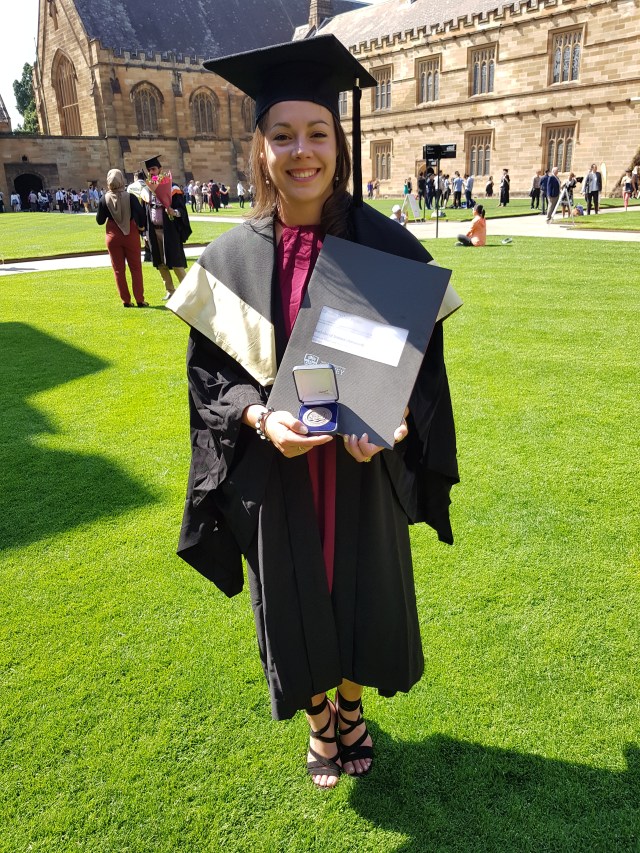
I recently completed my Bachelor of Science (Advanced) degree at the University of Sydney with first class honours and a university medal. I’m an avid adventurer with a passion for ecology.
There have been few studies examining intraguild predation between a mammal and an arthropod. I present such an example here. The lesser hairy-footed dunnart (Sminthopsis youngsoni) is a common generalist insectivore in arid Australia that consumes wolf spiders (Family Lycosidae) disproportionately often relative to their availability. In this study, I tested hypotheses to uncover the underlying mechanisms that drive this selective predation. Firstly, lycosids were not found to contain more water energy or nutrients than other available arthropod prey, thus discrediting the hypothesis that S. youngsoni forages to optimise hydration or caloric and nutritional intake. Secondly, I did find a high degree of spatial and temporal overlap in resources (diet and microhabitat) between S. youngsoni and lycosids, providing support consistent with the hypothesis of competition. This latter hypothesis, and the operation of intraguild predation, was further supported by results of cafeteria-style trials showing that S. youngsoni selectively targets lycosids when alternative prey types are equally available.
My conclusion is that S. youngsoni may predate lycosids to reduce competition for the same food resources. This study is one of the few to suggest intraguild predation between such taxonomically disparate groups, and its consequences extend beyond simple predator-prey relationships to suggest that IGP can have substantial impacts on community structure and ecosystem processes.
Read about some of Tamara’s work here:
Potter, T., Greenville, A.C. & Dickman, C.R. (2018). Assessing the potential for intraguild predation among taxonomically disparate micro-carnivores: marsupials and arthropods. Royal Society Open Science, 5: 171872.
This dunnart has competition for food… so it just eats the competition, Australian Geographic, May 2018.
Intraguild predation among marsupials and arthropods. Research findings factsheet, Threatened Species Recovery Hub, Oct 2019.


 Aaron Greenville